

What to Know About Michigan’s Eastern Massasauga Rattlesnake
Michigan wildlife officials urge residents to give the threatened Eastern Massasauga rattlesnake space after a recent bite incident at Proud Lake Recreation Area.
Michigan wildlife officials are urging residents to give the Eastern Massasauga rattlesnake plenty of space after a recent bite incident at Proud Lake Recreation Area. This small rattlesnake is the only venomous snake species found in Michigan and is currently listed as a threatened species.
About the Eastern Massasauga
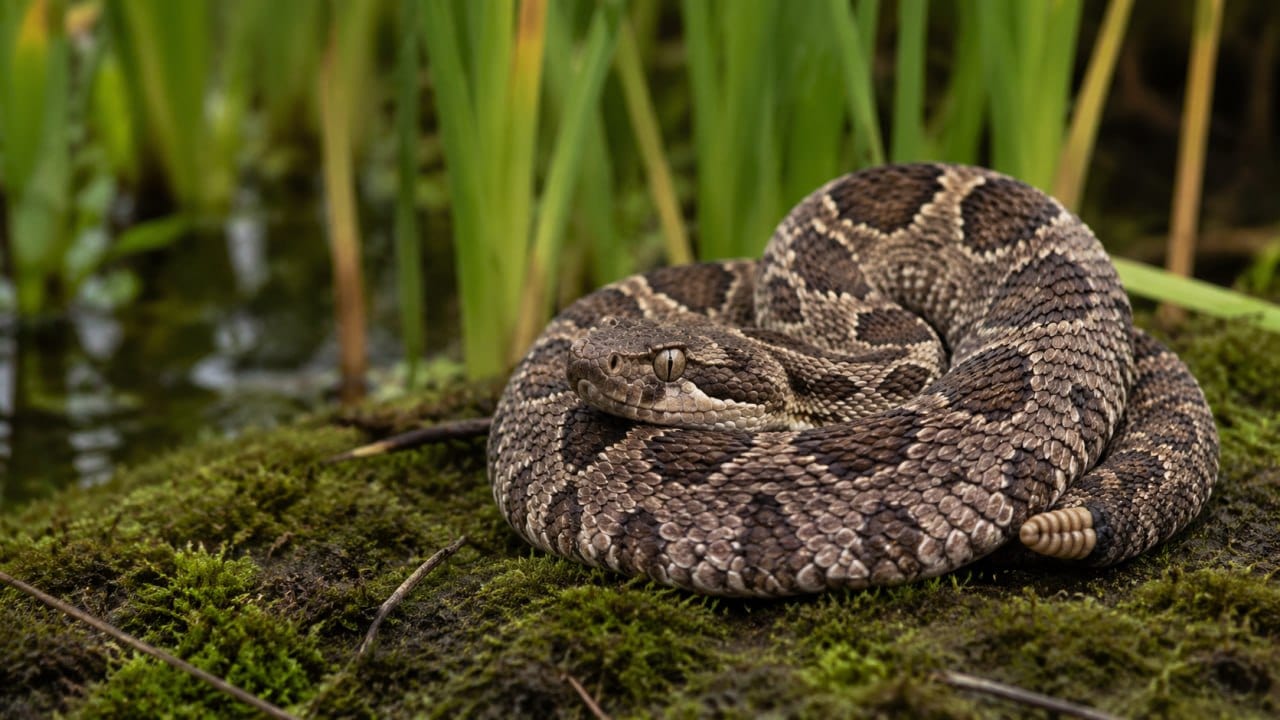
The Eastern Massasauga is a small, thick-bodied rattlesnake that typically grows between 2 to 3 feet long. It has distinctive tan or gray coloring with dark brown blotches along its back and smaller spots along its sides. Unlike the more aggressive timber rattlesnake, the Massasauga is generally shy and prefers to avoid human contact.
These snakes are found in wetland areas, prairies, and floodplains across the Lower Peninsula. They play an important role in controlling rodent populations and maintaining ecological balance in their habitats.
Recent Incident at Proud Lake
The recent bite incident serves as a reminder that while these snakes are reclusive, they will defend themselves if threatened or cornered. Officials have not released details about the individual who was bitten or their condition, but they emphasize that bites are rare and usually occur when people attempt to handle or approach the snakes.
Safety Tips for Outdoor Enthusiasts
If you are hiking or exploring areas where Eastern Massasaugas may live, follow these guidelines:
• Stay on marked trails and avoid tall grass or underbrush where snakes may be hiding • Wear closed-toe shoes and long pants when hiking in potential snake habitat • Watch where you step, especially when crossing logs or rocks • Give snakes space if you encounter one. Back away slowly and allow the snake to retreat • Never attempt to handle or harass a snake, even if it appears dead
Conservation Status
The Eastern Massasauga is protected under Michigan law and listed as threatened under the federal Endangered Species Act. Habitat loss, persecution by humans, and disease have all contributed to declining populations across their range.
Conservation efforts are underway to protect remaining populations and their wetland habitats. These include habitat restoration, public education, and research into snake populations and health.
Frequently Asked Questions
Q: What should I do if I see an Eastern Massasauga rattlesnake? A: Keep your distance and allow the snake to move away on its own. Do not attempt to handle, harass, or kill the snake. Take a photo from a safe distance if you want to document the sighting, then report it to the Michigan Department of Natural Resources.
Q: How dangerous is an Eastern Massasauga bite? A: While their venom is potent, Eastern Massasaugas are small snakes that deliver relatively small amounts of venom. Bites are rarely fatal to humans, but they require immediate medical attention. The most recent bite at Proud Lake Recreation Area serves as a reminder to treat these snakes with respect and caution.
Q: Where in Michigan are Eastern Massasaugas found? A: Eastern Massasaugas are found throughout the Lower Peninsula of Michigan, particularly in wetland areas, floodplains, and prairies. They prefer moist habitats near water sources. The snakes are not found in the Upper Peninsula.
Read the full story at the Battle Creek Enquirer. |
1 Comment
Join the conversation
never seen one myself but now im gonna be looking when i hike at Proud Lake